
Mechanical scope is where construction budgets often feel the most pressure. HVAC distribution runs through every part of a building. Plumbing and piping systems contain thousands of components—pipes, fittings, valves, supports, insulation, sleeves, penetrations, and accessories. Equipment packages (boilers, chillers, pumps, AHUs, FCUs) come with long lead times and strict installation requirements. Add testing, balancing, commissioning, and controls integration—and even a “small” mechanical error can become a costly problem.
That is exactly why contractors increasingly rely on professional mechanical estimating services rather than rushed internal takeoffs. Accurate quantities and clear scope notes don’t just help you submit a competitive bid—they protect your margin after award and support smooth procurement and job execution.
Aim Estimating provides professional mechanical estimating services in the USA and UK at a very reasonable price. We deliver detailed takeoffs, labor/material/equipment breakdowns, and bid-ready summaries that support project budgeting, bidding support, and long-term project cost control. Whether you are an HVAC contractor, a plumbing and piping subcontractor, a GC leveling trade bids, or a developer validating a budget, Aim Estimating’s mechanical estimating services give you the clarity needed to win more work and reduce risk.
- Aim Estimating delivers mechanical estimating services with detailed HVAC, plumbing, and piping takeoffs, plus bid-ready cost summaries for contractors and builders.
- We support contractors across the USA (Texas, California, Florida, New York, Ohio) and the UK (London, Manchester, Birmingham, Leeds, Sheffield).
- Our workflows combine professional quantity surveying, digital takeoff systems, and cost estimation software for consistent, auditable results under tight deadlines.
- Deliverables include structured cost analysis, material cost assessment, and labor cost analysis to improve project budgeting accuracy and reduce surprises after award.
- We strengthen scope of work estimation and risk management through documented assumptions, revisions control, and multi-level checks.
- Our reporting supports bidding support, cleaner contractor quotes, and better baseline data for project cost control.
Introduction to Mechanical Estimating Services
Mechanical estimating is the process of measuring and pricing all mechanical scope required to build a project. It covers HVAC systems, plumbing, hydronic piping, process piping (where applicable), and sometimes fire protection depending on how packages are defined. A true mechanical estimate is not only a list of materials—it is a structured model of what it takes to construct, install, and commission the mechanical systems under actual jobsite conditions.
Professional mechanical estimating services matter because mechanical systems have many hidden cost drivers:
- Dense component counts: fittings, valves, dampers, hangers, supports, sleeves
- Routing uncertainty: drawings may show intent but not exact route lengths
- Coordination complexity: ceiling congestion and clashes impact labor and sequencing
- Specification requirements: insulation thickness, pressure testing, flushing, commissioning, documentation
- Long lead equipment: chillers, boilers, AHUs, pumps, specialty controls
Missing any of these can cause major cost problems. Aim Estimating’s mechanical estimating services are built to capture these drivers clearly and produce deliverables contractors can price and defend.
Importance of Accurate Mechanical Cost Estimation in Construction
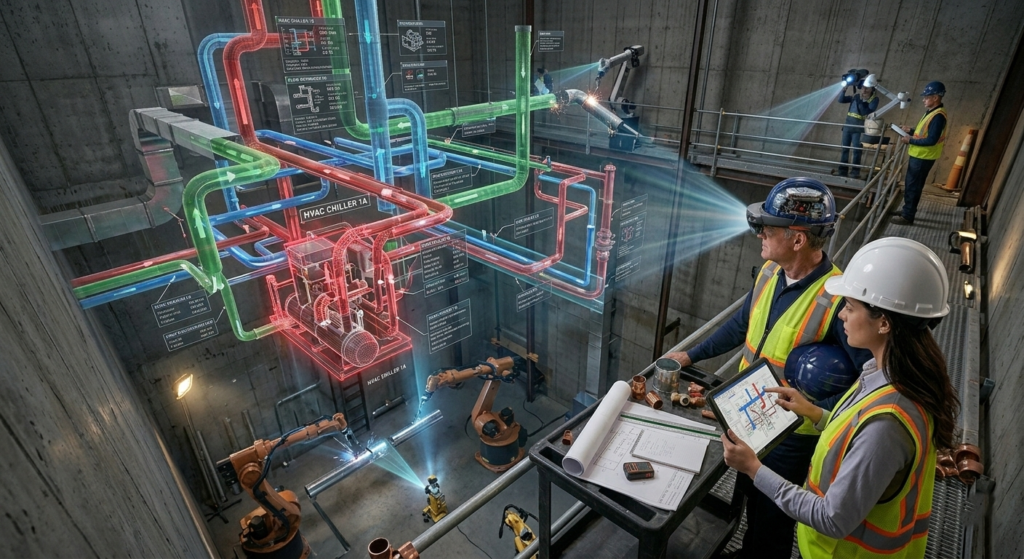
Mechanical trades are often among the highest-cost scopes on commercial and industrial projects. Even on residential work, mechanical costs can swing quickly based on system selection, code requirements, and installation conditions. Accuracy matters because mechanical scope affects both the bid number and the build strategy.
Accurate mechanical estimating services deliver clear advantages:
Stronger cost analysis for smarter decisions
A detailed cost analysis helps identify what is driving price:
- extensive ductwork or large duct sizes
- high piping density
- expensive valve and control packages
- large equipment quantities
- tight ceilings and access constraints that slow installation
Cost analysis helps teams focus attention on the real drivers rather than guessing.
More reliable project budgeting and approvals
Owners and developers rely on mechanical budgets to secure funding and approvals. Accurate project budgeting reduces the risk of budget surprises when tenders come in.
Better procurement and supplier pricing
When takeoffs are organized, purchasing teams can obtain better supplier pricing and avoid ambiguous quotes. That improves material cost assessment and reduces procurement delays.
More realistic labor planning
Mechanical labor is sensitive to access, congestion, and sequencing. Accurate labor cost analysis helps contractors plan crews and protect margin.
Improved project cost control after award
A well-structured estimate becomes a baseline for ordering, tracking, and forecasting—supporting stronger project cost control through construction.
Role of Mechanical Estimators in Budget Control & Bid Success
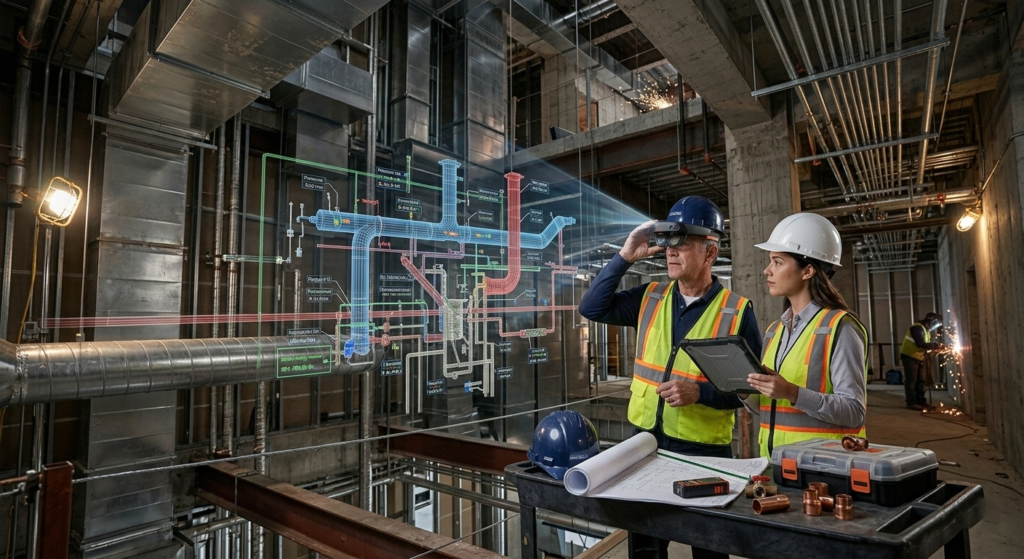
Mechanical estimators are not just measuring lines on plans—they are translating scope into buildable reality. Their role directly supports bid success and budget control through:
Scope interpretation and scope of work estimation
Drawings often leave gaps that must be clarified. A professional estimator creates clear scope of work estimation notes describing inclusions, exclusions, and assumptions so that the bid remains defensible.
Bid preparation and bidding support
A tender-ready estimate needs structure—trade breakdowns, alternates, clarifications, and summaries. Professional bidding support helps contractors submit cleaner bids under deadline pressure.
Risk management through assumptions and documentation
Mechanical scope has high variation risk. Proper risk management means documenting assumptions about routing, access, commissioning requirements, and equipment coverage.
Cost control strategy alignment
A professional estimate supports cost control by creating a baseline for procurement and job cost tracking. This supports construction financial planning and reduces cash flow surprises.
Aim Estimating’s mechanical estimating services are designed to deliver these benefits with clear reporting and repeatable process.
Common Challenges in Mechanical Estimating & Takeoffs
Mechanical estimating is challenging because of both technical complexity and jobsite realities. Common challenges include:
Frequent design revisions and coordination changes
Mechanical drawings often change late due to coordination with structure, architecture, and electrical. If addenda are not captured, the takeoff becomes outdated fast.
Hidden accessories and installation requirements
Many costs live in accessories: hangers, supports, anchors, sleeves, firestopping, access panels, insulation, and labeling. Rushed estimates often miss these.
Equipment scope boundaries
Equipment packages may include factory accessories, controls components, vibration isolation, and startup requirements. The estimate must define what is included.
Routing uncertainty for piping and ductwork
Even detailed drawings rarely show every routing path. A professional estimator documents routing assumptions and includes realistic allowances.
Labor productivity variability
Mechanical labor depends heavily on:
- ceiling congestion
- working at height
- access and staging
- phasing and occupancy constraints
- prefabrication opportunities
Accurate labor cost analysis must reflect those realities.
Aim Estimating’s mechanical estimating services address these challenges with a system-based takeoff approach and multi-level checks.
Types of Mechanical Estimating Services
Aim Estimating provides several service types depending on project stage and bid needs.
Conceptual Mechanical Estimates
Conceptual estimates are designed for early planning when drawings are incomplete. They support:
- feasibility studies
- early project budgeting
- preliminary system selection and allowances
- early cost analysis and cost-driver identification
- planning for construction financial planning and funding discussions
Conceptual estimates include documented assumptions, so teams understand accuracy limits.
Detailed Mechanical Cost Estimates
Detailed estimates are used for tendering and procurement. They typically include:
- system-by-system quantities
- material and labor breakdowns
- equipment costs and installation allowances
- insulation and accessory coverage
- inclusions/exclusions and clarification notes
These are the most common format of our mechanical estimating services for contractors.
Bid & Tender Mechanical Estimates
Tender estimates focus on bid compliance and submission readiness:
- addenda incorporation and revision control
- alternates and options separated clearly
- tender scope alignment to reduce omissions
- summary formats that support proposal submission
- bid leveling support for comparing contractor quotes
Mechanical Quantity Takeoff Services
For contractors who prefer internal pricing, we deliver takeoffs only:
- pipe lengths and fittings (as detailed)
- duct quantities (area/length where available)
- valves, dampers, diffusers, grilles
- equipment counts and schedule-driven items
- insulation quantities by system
Residential Mechanical Estimating Services
Residential projects require speed and consistency. We support:
- single-family housing
- multi-family and apartments
- residential towers and mixed-use residential
- renovations and extensions (where drawings are provided)
Commercial Mechanical Estimating Services
Commercial projects involve higher coordination and compliance:
- office buildings, retail, hospitality
- healthcare and education
- detailed HVAC controls and ventilation compliance
Industrial Mechanical Estimating Services
Industrial work can include process piping, specialty equipment, and strict safety constraints. We support industrial estimates with stronger documentation and risk management structure.
Mechanical Systems Covered in Detailed Takeoffs
A major advantage of professional mechanical estimating services is system-based coverage. Aim Estimating estimates:
HVAC Systems (Heating, Ventilation & Air Conditioning)
HVAC takeoffs can include:
- ductwork by size/type where drawings permit
- diffusers, grilles, registers, dampers
- VAV boxes, fan coil units, air handling units
- ventilation components and accessories
- insulation requirements for duct and piping where specified
- controls interface items where in scope
HVAC scope often drives significant labor due to overhead work and coordination.
Plumbing & Piping Systems
Plumbing takeoffs can include:
- domestic cold/hot water piping
- sanitary waste and vent piping
- storm piping where in scope
- valves and fixtures (as shown)
- insulation quantities where specified
Process Piping & Industrial Systems
For industrial projects, process piping may include:
- pipe by size/material class (where detailed)
- specialty valves, flanges, gaskets
- supports and hangers with heavier duty requirements
- testing and cleaning allowances as specified
Process systems require clear assumptions and scope notes.
Boilers, Chillers & Mechanical Equipment
Equipment takeoffs can include:
- boilers, chillers, pumps, expansion tanks
- cooling towers (where applicable)
- equipment skids and accessories
- connection and installation allowances
Equipment scope influences both cost and schedule due to lead times.
Fire Protection & Sprinkler Systems
Where included in the mechanical package, we include:
- sprinkler piping and head counts (as designed)
- valves, alarm devices (as shown)
- hangers and bracing where specified
Fire protection is often specification-driven and must be checked carefully.
Material Takeoff Breakdown (What “Detailed Takeoffs” Really Include)
The most common reason mechanical bids fail is not a single big miss—it is many small omissions that add up. Aim Estimating’s mechanical estimating services structure takeoffs so nothing important is hidden.
Pipes, Fittings & Valves
We break down:
- pipe lengths by size and system (where drawings support)
- fitting counts (elbows, tees, reducers, couplings)
- valves by type/size (ball, gate, check, balancing valves, etc., as shown)
- flanges, gaskets, specialty items where indicated
This detail supports vendor quoting and reduces field shortages.
Ductwork & Insulation
We quantify:
- ductwork area/length by size range (depending on drawing detail)
- insulation coverage and thickness categories
- dampers, access doors, specialty duct accessories
This improves purchasing and reduces waste.
Mechanical Equipment & Units
We quantify:
- equipment from schedules (AHUs, FCUs, RTUs, VAVs, pumps, boilers, chillers)
- accessories and connection components where indicated
- allowances for vibration isolation, pads, supports when required
Equipment scope is often high-value and needs careful tracking.
Hangers, Supports & Accessories
Accessories are where many estimates underprice:
- hangers, supports, clamps, anchors
- sleeves and penetrations allowances when specified
- insulation accessories and jacketing requirements
- firestopping coordination notes (when in scope)
Including these protects margin and strengthens scope clarity.
Labour Productivity & Crew Cost Calculations
Mechanical labor is not a fixed number per unit—it changes with conditions. Aim Estimating includes structured labor cost analysis based on:
- overhead installation vs ground-level installation
- ceiling congestion and trade stacking
- repetitive work vs one-off complex areas
- access limitations (lifts, scaffold, night work)
- prefabrication opportunities and modular assemblies
- testing, balancing, flushing, and commissioning requirements
- weather or external installation constraints where applicable
Labor productivity and crew composition strongly influence total cost. Proper labor modeling helps contractors bid confidently and execute more predictably.
Equipment, Installation & Commissioning Cost Analysis
Mechanical work includes more than “install and move on.” Many projects require:
- pressure testing and leak testing
- flushing and cleaning procedures
- air testing and balancing
- commissioning and functional performance testing
- training and documentation deliverables
If commissioning is in scope, it must be priced properly. Our cost analysis considers these requirements along with equipment needs like lifts, hoists, specialty tools, and temporary utilities where relevant.
Estimating Software & Digital Takeoff Tools Used
Aim Estimating uses modern methods to deliver fast, accurate, and consistent outputs:
- digital takeoff tools for measurement and count accuracy
- standard item libraries and assemblies to keep reporting consistent
- cost estimation software to structure estimates logically and export reports efficiently
- revision control workflows to incorporate addenda
Digital tools improve speed, but expertise ensures the takeoff matches real construction scope.
Step-by-Step Mechanical Estimating Process
Aim Estimating follows a structured process so estimates remain consistent even under tight deadlines.
Document intake and project review
We review:
- mechanical drawings (plans, schematics, risers, details)
- schedules (equipment schedules, valve schedules where provided)
- specifications (if included)
- addenda and bid instructions
Scope mapping and system breakdown
We identify scope boundaries and organize by systems (HVAC, plumbing, hydronic, process, fire protection if in scope). This improves scope of work estimation and reduces omissions.
Detailed quantity takeoff (quantity surveying)
We extract quantities using disciplined quantity surveying logic and label items clearly for reporting.
Material pricing support and material cost assessment
We structure takeoffs for RFQs and supplier pricing comparisons, supporting material cost assessment.
Labor cost analysis and productivity modeling
Labor hours are assigned using realistic productivity assumptions and crew logic—critical for bid accuracy.
Estimate compilation, summaries, and bidding support
We prepare:
- trade summaries and line items
- inclusions/exclusions
- clarifications and alternates
- bid-ready formats for bidding support
Quality control and final delivery
Multi-level checks are performed before delivery to reduce errors and protect bid integrity.
This process is what makes our mechanical estimating services dependable for contractors in the USA and UK.
Quality Control & Multi-Level Accuracy Verification
Accuracy is a system, not a promise. Our QC steps can include:
- verifying drawing versions and addenda coverage
- cross-checking schedules vs plan counts
- ensuring completeness (pipes + fittings + valves + supports + insulation)
- reviewing unusual quantities for sanity
- internal review for double counting and missing scope
These checks improve risk management and reduce the likelihood of post-award surprises.
Value Engineering & Cost Optimization Strategies
Mechanical budgets can often be improved through targeted optimization. Aim Estimating supports value engineering and cost optimization by identifying:
- system design elements that drive labor complexity
- opportunities to standardize components (valves, diffusers, fittings)
- duct/pipe routing efficiencies and prefabrication potential
- insulation and accessory optimization aligned with specifications
- procurement timing and alternate equipment selections (subject to approval)
The goal is to reduce cost without reducing performance, compliance, or long-term reliability.
Benefits of Outsourcing Mechanical Estimating Services
Outsourcing is a strategic move for many contractors—especially when bid volume is high. Benefits include:
More bids, less overhead
Outsourcing allows you to bid more projects without hiring additional estimators.
Faster turnaround under tight deadlines
External support prevents internal bottlenecks and reduces last-minute stress.
Consistent reporting standards
Professional reporting improves communication between estimating, procurement, and project management.
Reduced omissions and stronger scope clarity
Structured takeoffs and checklists reduce missed items and improve risk management.
Better baseline for project cost control
A detailed estimate becomes a strong baseline for ordering and tracking, improving project cost control after award.
Aim Estimating provides outsourced mechanical estimating services at a very reasonable price in both the USA and UK.
Who Needs Mechanical Estimating & Takeoff Services
Our mechanical estimating services are ideal for:
- HVAC subcontractors and sheet metal contractors
- plumbing contractors
- mechanical piping contractors
- industrial process piping contractors
- general contractors leveling mechanical bids
- developers and owners needing budgeting validation
- consultants needing quantity surveying support
If you compete on tight bid dates and narrow margins, professional estimating support is a direct competitive advantage.
Service Coverage Areas
USA
- Texas
- California
- Florida
- New York
- Ohio
UK
- London
- Manchester
- Birmingham
- Leeds
- Sheffield
Aim Estimating supports contractors in these regions with consistent delivery, clear communication, and contractor-ready reporting.
Why Choose Our Mechanical Estimating Services (USA & UK)
Contractors choose Aim Estimating because we focus on what matters on bid day and after award: accuracy, clarity, and practical scope coverage.
Detailed takeoffs designed for real procurement
Our takeoffs are structured so you can request supplier quotes quickly and compare them easily—supporting stronger material cost assessment.
Realistic labor and productivity modeling
We emphasize labor cost analysis that reflects installation conditions, not ideal assumptions.
Strong scope notes and documentation
Clear assumptions and scope of work estimation reduce disputes and protect margin.
Bid-ready reporting and bidding support
We structure outputs to support tender submissions, alternates, and internal approvals—strong bidding support for contractors.
Reasonable pricing in USA and UK
Aim Estimating provides mechanical estimating services at a very reasonable price—ideal for contractors who want quality without unnecessary overhead.
Turnaround Time, Deliverables & Pricing Packages
Turnaround Time
Typical timelines:
- small scopes: 24–48 hours
- medium projects: 48–72 hours
- large/complex packages: timeframe confirmed after review
Deliverables
Deliverables may include:
- detailed mechanical quantity takeoffs (pipe, duct, fittings, valves, equipment)
- trade/system summaries for fast review
- material lists supporting supplier RFQs and material cost assessment
- labor hour breakdowns and labor cost analysis notes
- equipment/installation allowances and cost analysis summaries
- inclusions/exclusions, clarifications, alternates/options
- tender-ready formats supporting bidding support
Pricing Packages
Pricing depends on scope complexity, drawings, and deadlines. Aim Estimating offers very reasonable pricing in the USA and UK, with quick quoting after document review
Mechanical Estimating & Takeoff Services
What items are most frequently missed in mechanical estimating?
Hangers and supports, insulation coverage, valves and specialty fittings, sleeves/penetrations, and testing/commissioning scope are frequently missed. Professional mechanical estimating services reduce this risk through structured takeoff categories and checklists.
What causes mechanical quotes to vary so much between subcontractors?
Routing assumptions, accessory coverage, insulation interpretation, commissioning inclusions, and labor productivity assumptions typically create the largest differences. A detailed takeoff helps level contractor quotes more fairly.
What estimate details support better project budgeting approval?
System-by-system breakdowns, documented assumptions, and clear cost analysis that explains major drivers and allowances support faster approvals and better construction financial planning.
What improves labor accuracy most on HVAC projects?
Strong labor cost analysis that accounts for ceiling congestion, access constraints, working heights, phasing, and commissioning requirements improves labor accuracy significantly.
Can mechanical takeoffs help with procurement and scheduling?
Yes. Organized takeoffs support ordering, lead-time planning, and better pre-construction planning—especially for equipment and long-lead materials.
Does Aim Estimating provide mechanical estimating services in both the USA and UK?
Yes. Aim Estimating provides professional mechanical estimating services across the USA and UK with fast delivery, clear reporting, and reasonable pricing.
Call to Action
Bid confidently and protect your margins with detailed, contractor-ready mechanical estimating services from Aim Estimating—delivered fast and priced very reasonably for the USA and UK.
UK Office: 2nd Floor College House, 17 King Edwards Road, RUISLIP, London HA4 7AE
Phone: 07403 804117
USA Office: 6479 US HWY 93 S unit 445, whiteFish, Montana 59937
Phone: +14063160085
Send your drawings, specifications, and bid deadline today—Aim Estimating will respond with a quick quote and timeline for expert mechanical estimating services with detailed takeoffs.